ColosseumRome · since 80 AD
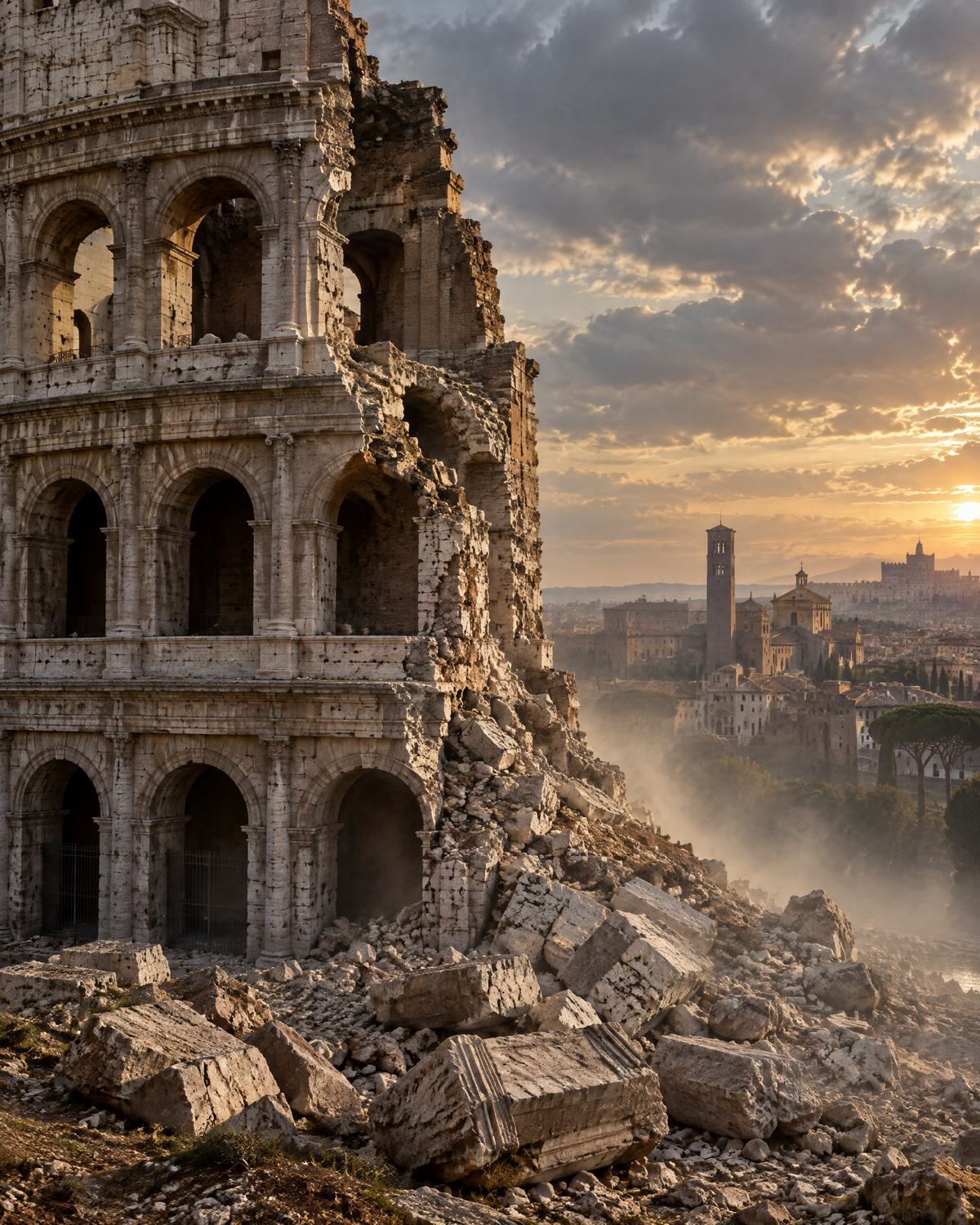
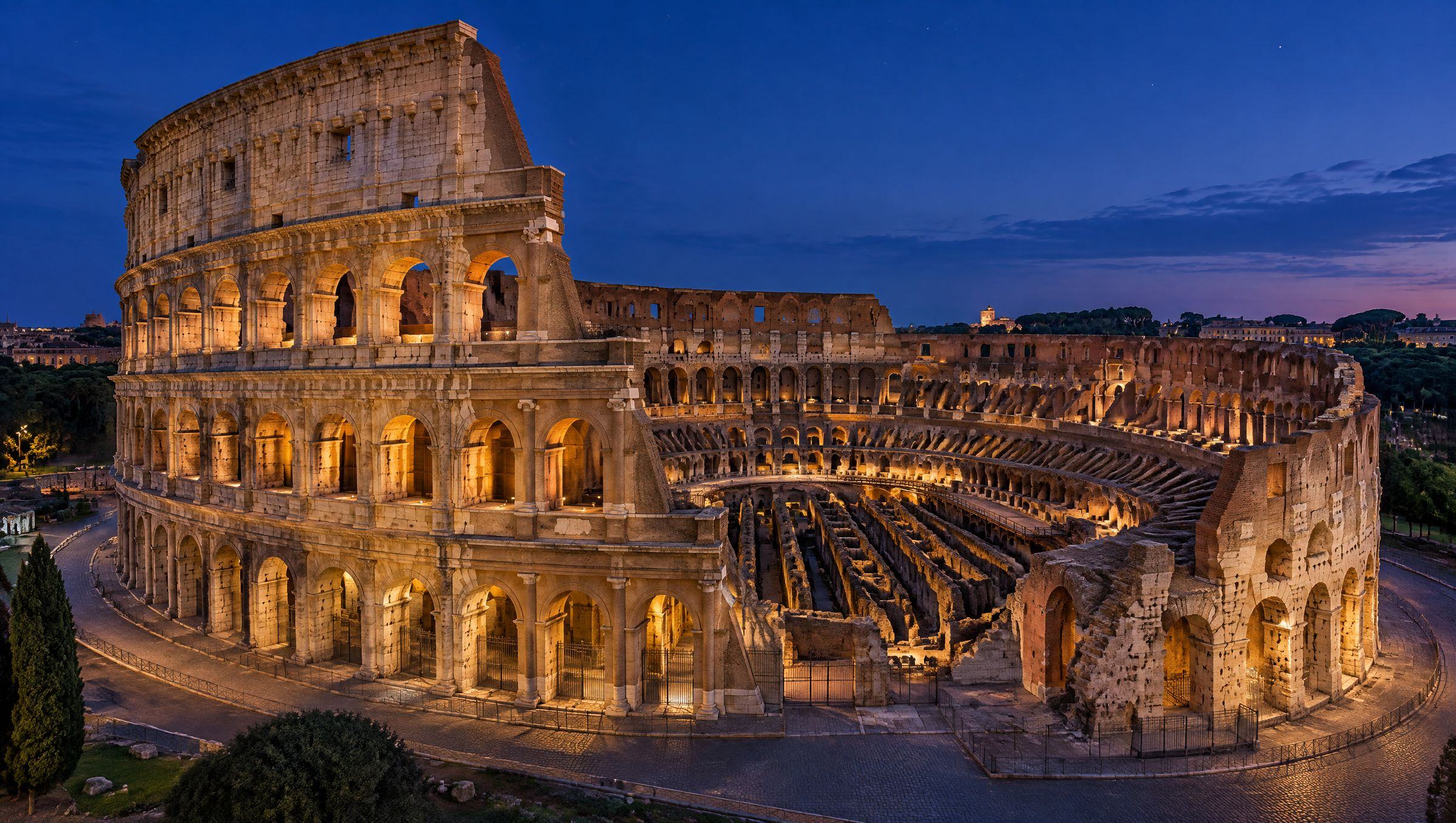
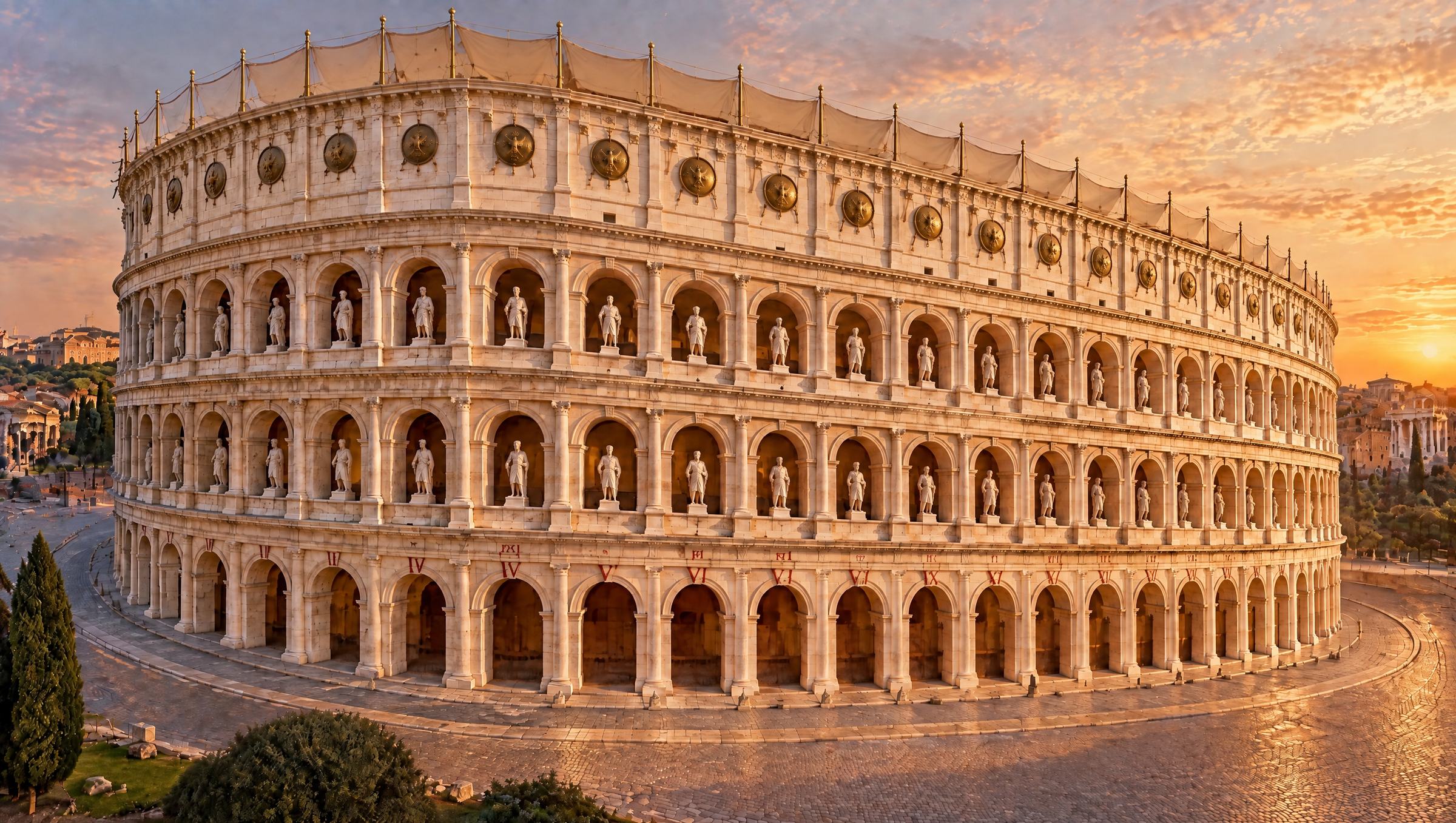
The Colosseum today at dusk, its outer wall broken on one side The Colosseum as it stood in 80 AD, complete, with statues and an awning

The Colosseum, Rome

Two thousand years, one scroll.

Only the north side of the outer wall still stands. The rest you see is the inner wall. Scroll, and the ring closes again.

The Flavian amphitheatre

The ring is whole.

Titus opened it in 80 AD with more than 100 days of games, for around fifty thousand people. His brother Domitian later added the gilded shields and the tunnels below.

Today
2026AD
Scroll to rebuild

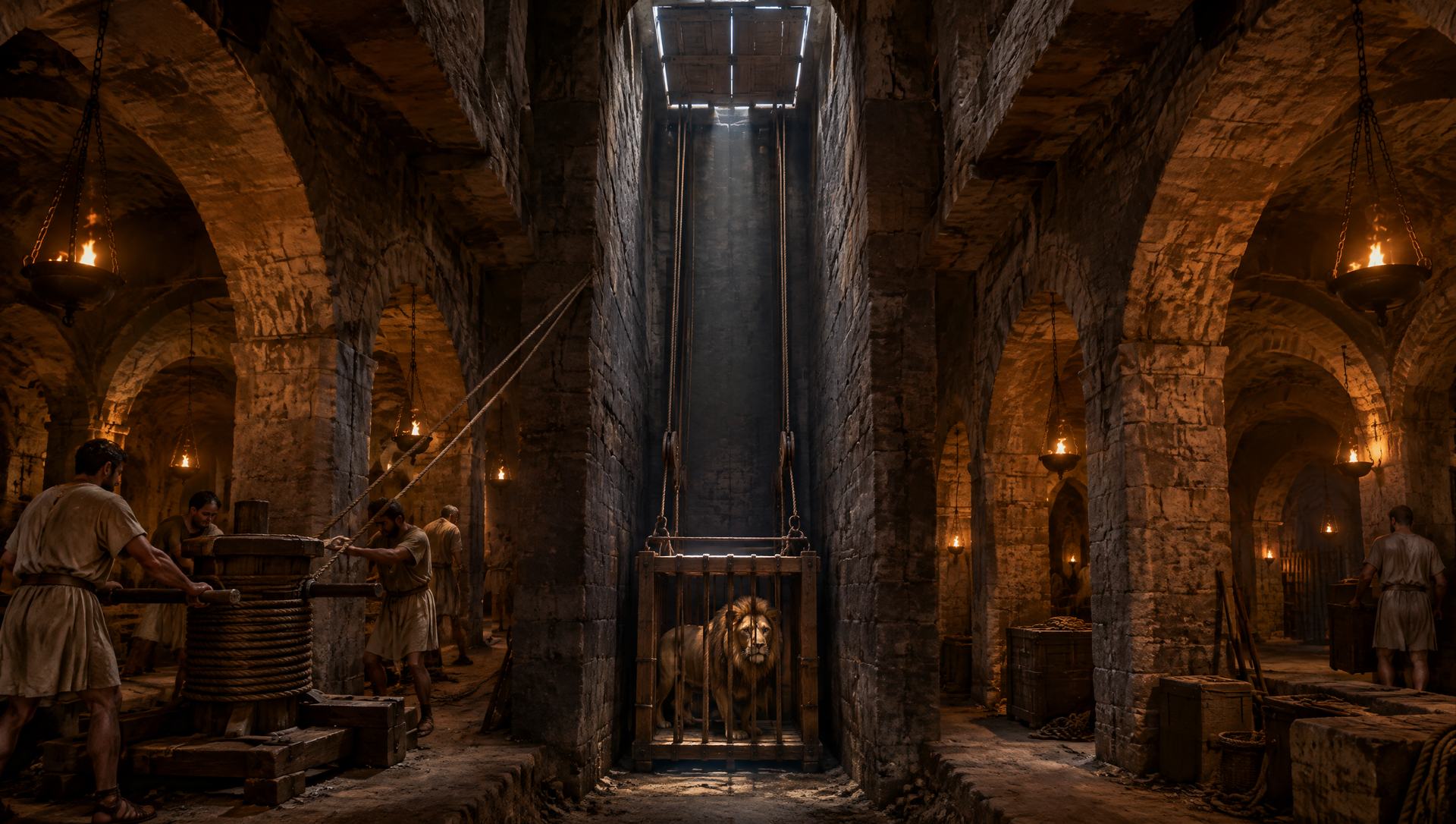
Under the sand

Keep scrolling. The floor opens.

2levels of tunnels under the arena floor
80vertical shafts, with lifts to raise animals and fighters
Domitianadded the tunnels after the arena opened

Above

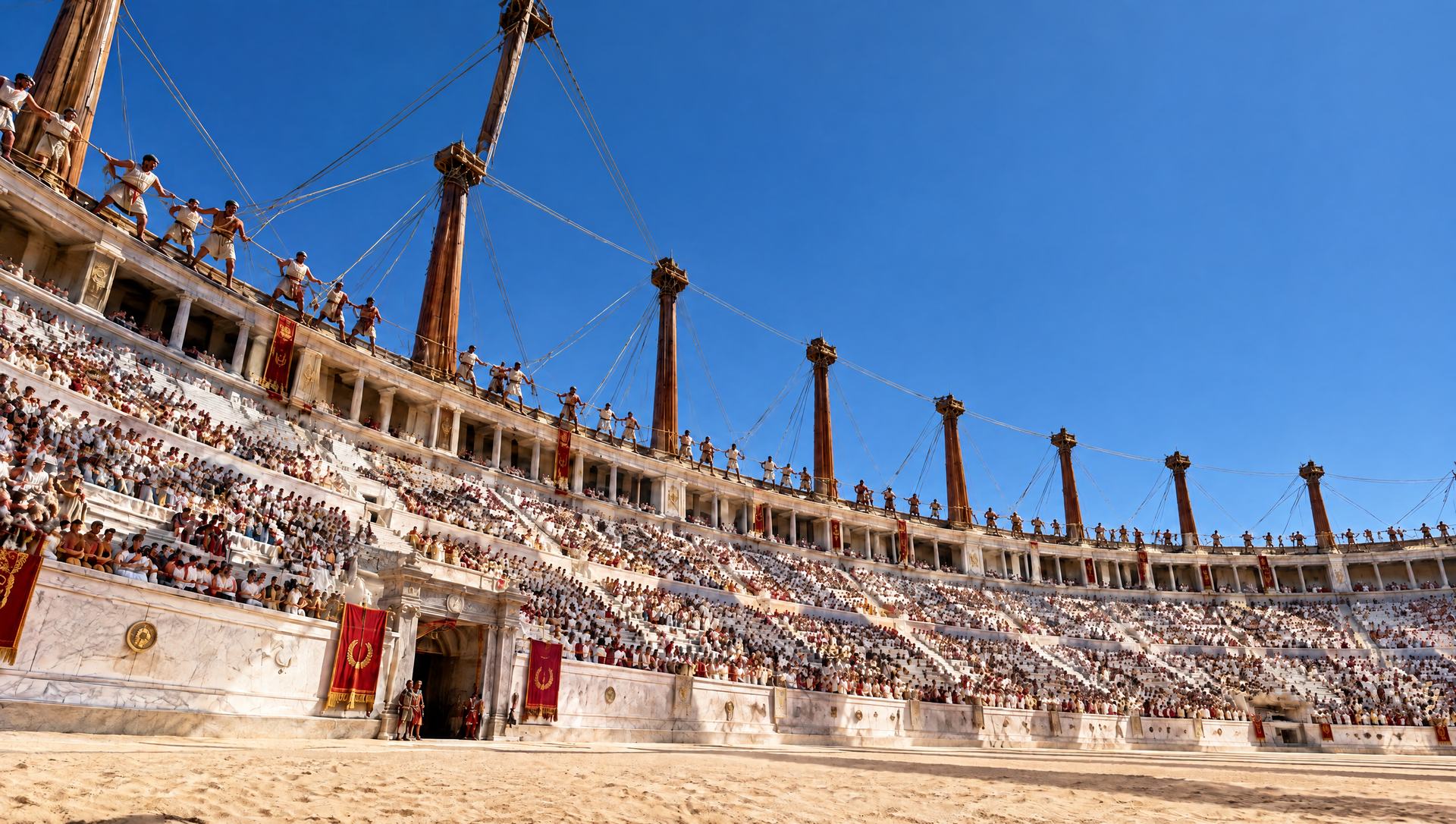
Sailors closed the sky.

Sailors from the Roman naval base at Misenum worked the velarium, a canvas awning rigged from 240 masts around the top of the wall.

0%of the arena under canvas
Your seat

Seventy-six gates. One token.

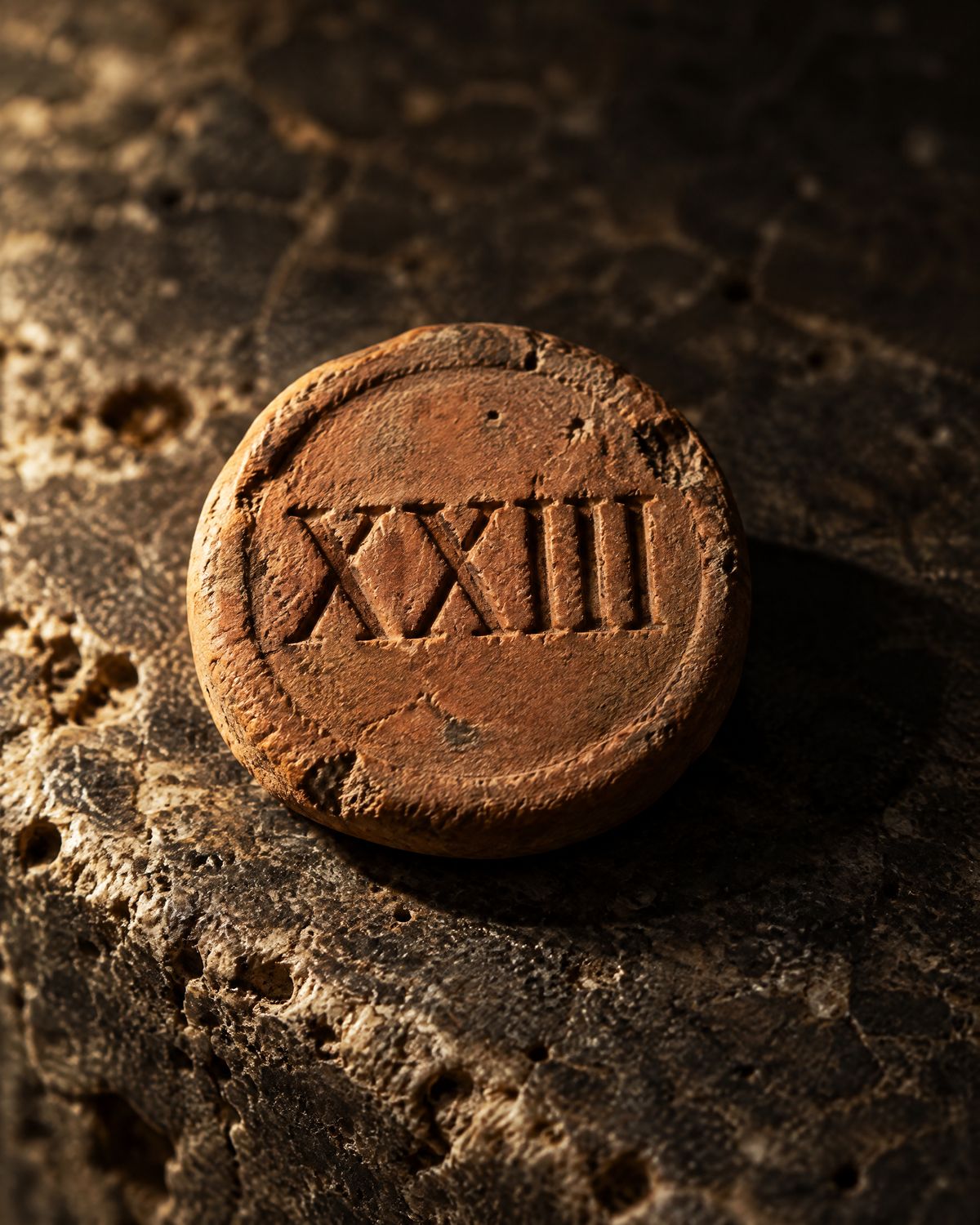
Every public arch carried a red number, and your clay token matched one. Where you sat depended on who you were. Choose, and take your place.

A clay entry token engraved with a Roman numeral
Your gateXXIII
The scars

Every hole tells on someone.

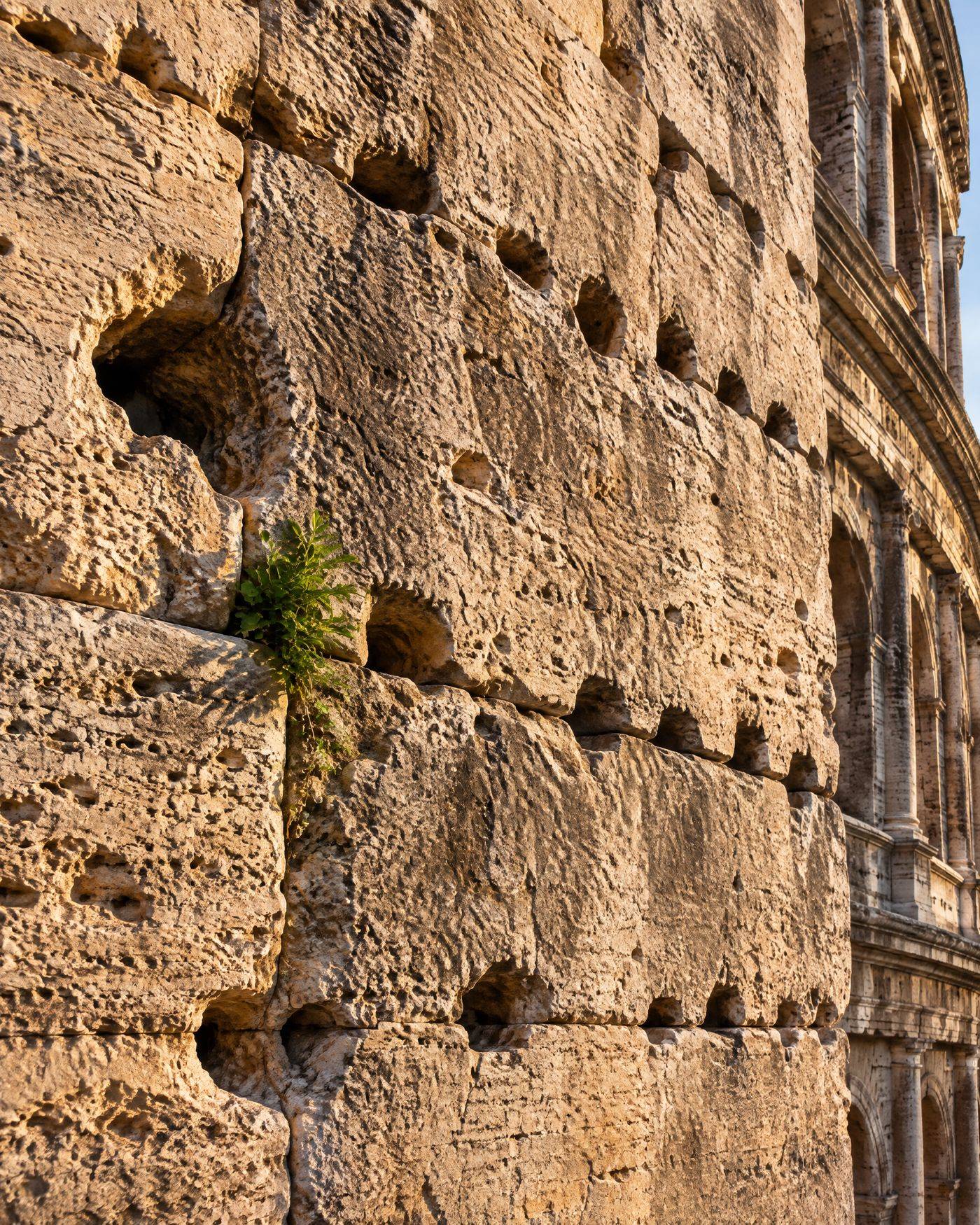
The pockmarks all over the walls are not decay. They are where people came for the metal, and then for the stone. Point at a fact to see it.

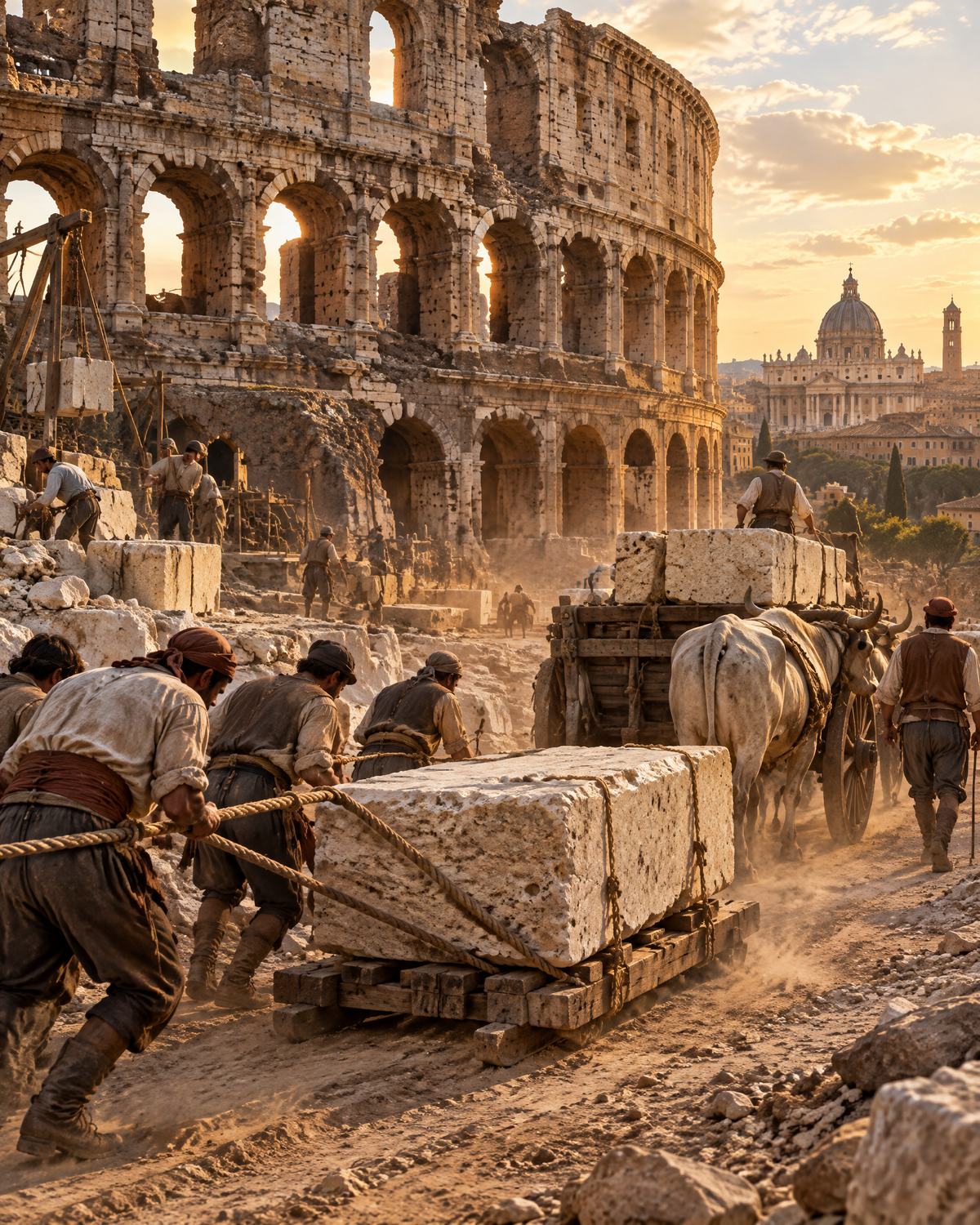
Close-up of the travertine wall, pitted with holes where iron clamps were removedThe broken south side after the 1349 earthquake, with fallen blocksWorkers hauling stone blocks away from the ruin to build new palaces and churches
The clamp holes
300 t

of iron clamps held the stone together. Later they were pried or hacked out for the metal, leaving the pockmarks you still see.

1349

An earthquake brought down the south side. The ground there was softer, and the wall never came back.

1749

For centuries its fallen stone built palaces, churches and hospitals across Rome. In 1749 Pope Benedict XIV finally forbade using it as a quarry.

The fighters

Four ways to enter the sand.

Gladiators were matched by type, so every fight paired different weapons, armour and speed. Tap a fighter to see the kit.

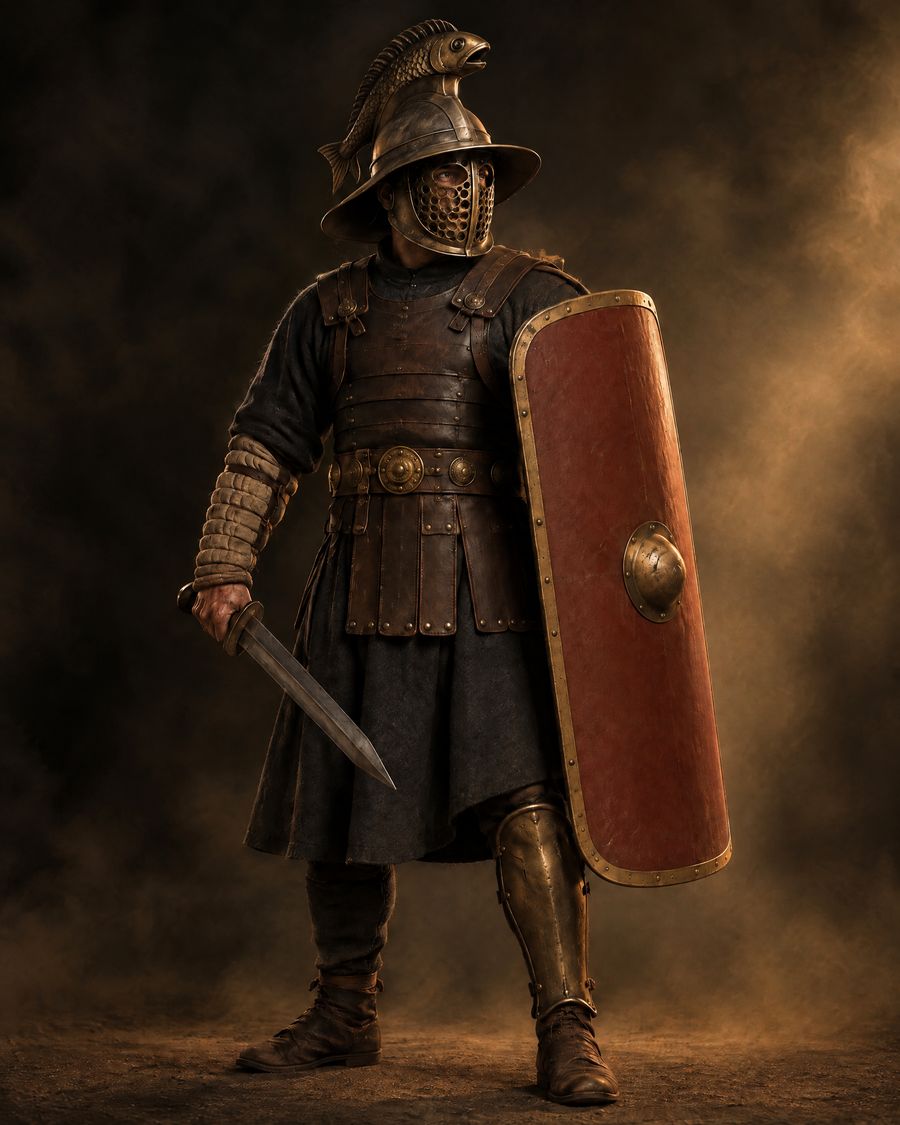
A murmillo gladiator with a crested helmet and a tall red shield

Murmillo

Usually faced the thraex

A helmet with a fish on its crest, a tall oblong shield, a short gladius, an arm guard and a short greave.
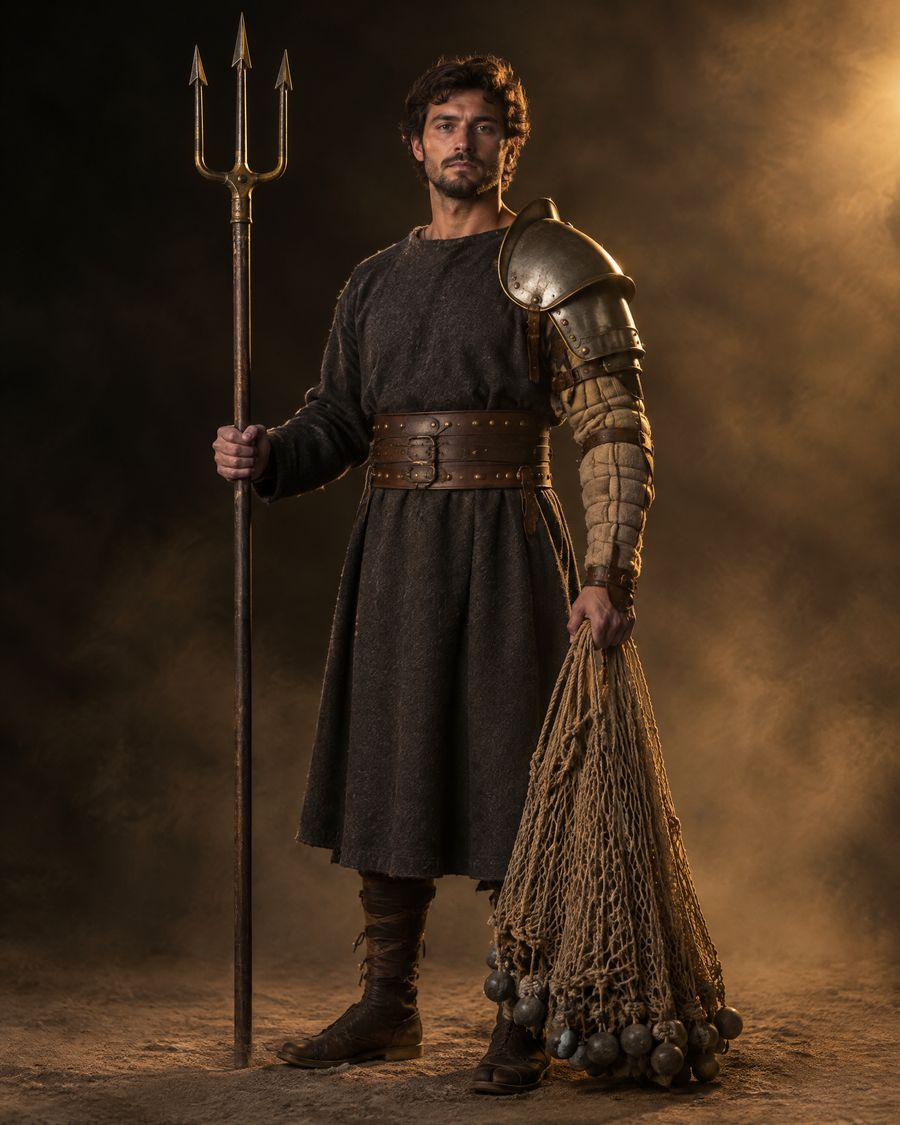
A retiarius gladiator with a net and a trident

Retiarius

Usually faced the secutor

Almost no armour: a net and a trident, a large arm guard, and sometimes a metal shield on the shoulder. Speed was the armour.
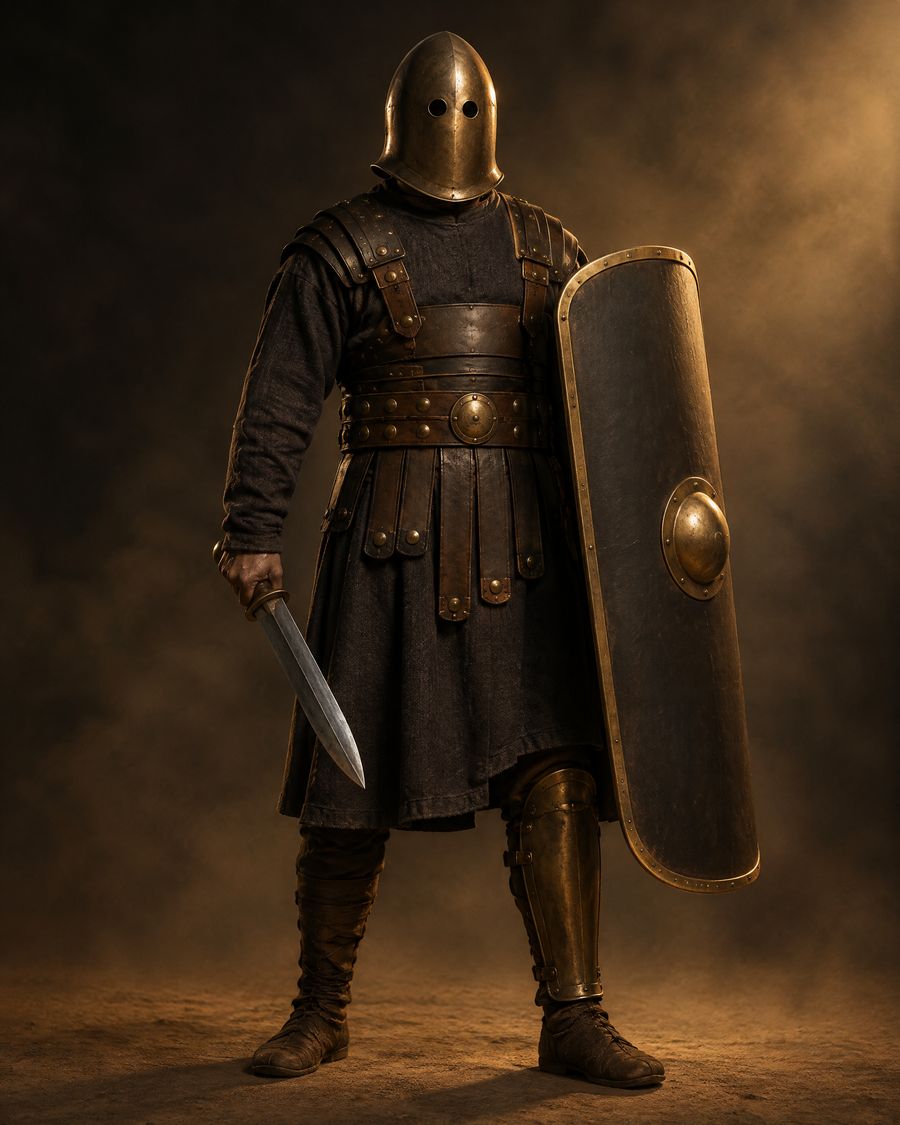
A secutor gladiator in a smooth egg-shaped helmet

Secutor

Built to chase the retiarius

A smooth, round helmet that covered the face except two small eye holes, with the murmillo's tall shield and gladius.
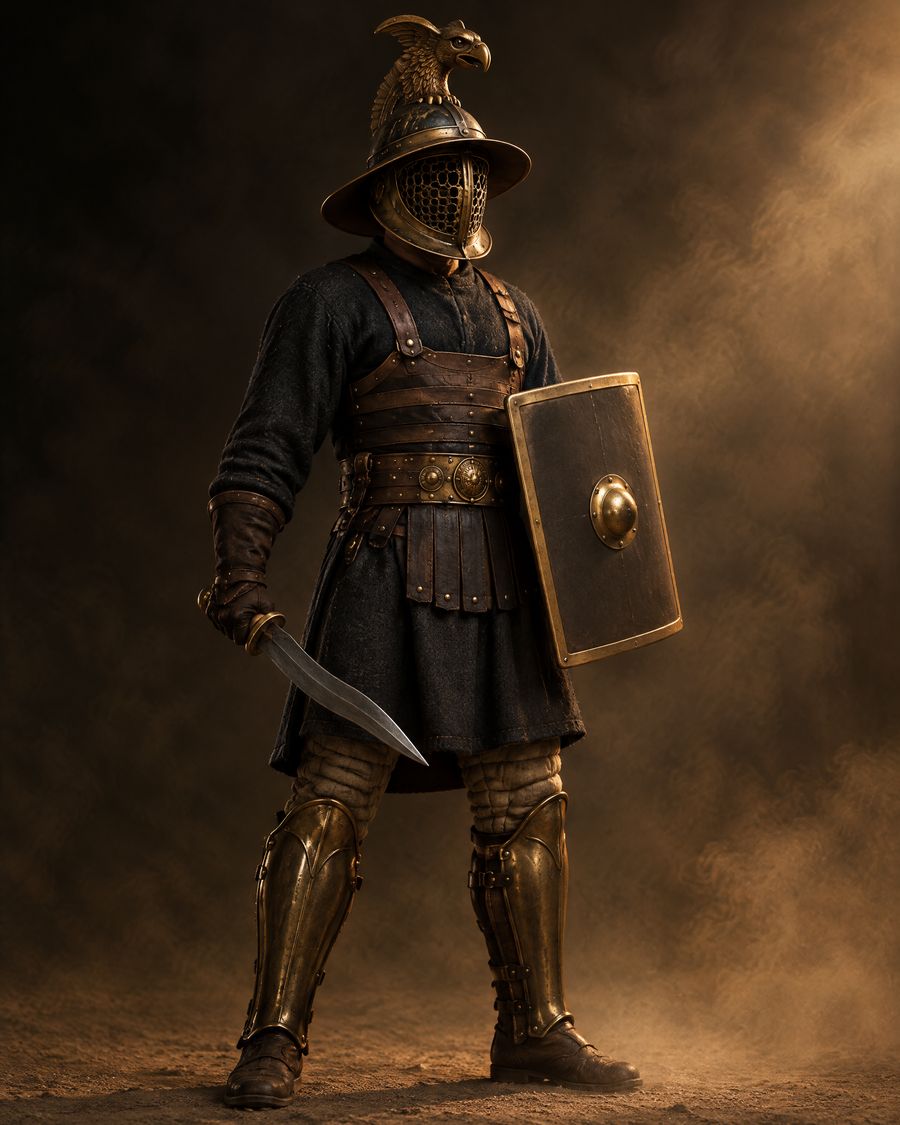
A thraex gladiator with a griffin-crested helmet and a curved sword

Thraex

Usually faced the murmillo

A broad-rimmed helmet with a griffin crest, a small square shield, two tall greaves and a short curved sword, the sica.

Visit

Come back after dark.

Small groups walk the arena floor and the tunnels after dark, when the arches glow like this.

  • Tuesdays and Thursdays
  • 8 to 11 pm
  • Arena floor and tunnels
  • Small groups
Plan your visit Concept only. For tickets, use the Colosseum's official website.